Using food banks to fight diabetes and promote health for vulnerable populations: An interview with Dr. Hilary Seligman, Professor, University of California, San Francisco – Episode #102
 Can food banks be used to address diet-sensitive disease in low-income communities? A new study of a pilot intervention suggests they can.
Between 2012 and 2014, researchers enrolled almost 700 food pantry clients with diabetes in a six-month pilot intervention in three states. The intervention provided participants with diabetes-appropriate food, blood sugar monitoring, primary care referral, and self-management support. The results, published in Health Affairs, show small but important improvements on a range of health indicators — with larger effects for those with the most series cases of diabetes. While the findings will need to be confirmed by an impact evaluation (already underway), the intervention creates a model for food banks to use to address diet-sensitive disease in low-income communities. The study also shows the value of running pilot programs to test the feasibility of innovative social programs and to “work out the kinks” before more rigorous evaluation.
To learn more, we’re joined by Dr. Hilary Seligman, the lead author of the study. She is a professor of medicine, epidemiology an biostatistics at the University of California, San Francisco, a practicing physician, and Senior Medical Advisor and Lead Scientist at Feeding America.
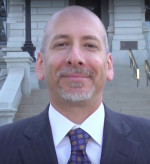 Colorado is a leader among U.S. states in involving state employees in efforts to make state government agencies and programs more efficient and effective through a so-called lean approach. Lean techniques were developed in manufacturing settings, most famously at Toyota, and have since been applied to service settings, including government agencies. Under Governor John Hickenlooper, Colorado launched its lean initiative in 2011 and it has lead to about 200 projects within state agencies and has trained about 2,500 state employees in lean techniques.
 How can the nation catalyze progress on key social policy challenges? A bold proposal, called the Ten Year Challenge, calls for selecting ten important social challenges and then having the federal government fund ten communities or states to address each challenge (so 100 experiments in total), while rigorously evaluating the results. The goal would be to generate a few breakthrough approaches that could be scaled up.
 There is growing awareness in the U.S. of the problem of bullying in middle and high school. Between a third and a fourth of all students say they have been bullied by other students, whether verbal, physical, and emotional. The potential consequences of bullying and harassment, including violence in schools, has highlighted the need for effective strategies to reduce bullying.
 How can public leaders, whether you’re running a large department or a small program, apply the insights of behavioral economics and other behavioral sciences to improve results? A simplified
  This podcast usually focuses on results-focused government, but our topic today is running a results-focused state think tank — with insights about making change that can be relevant more broadly.
 How can we help disadvantaged youth avoid negative outcomes such as delinquency and dropout? A recent
  On September 15th, 2015, President Obama issued an
 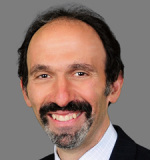 How can public leaders and program managers track the performance of different sites within a program in a way that reflects impact — i.e., the value added of each site? The most rigorous approach is to run a rigorous program evaluation, such as a randomized controlled trial, by site, but that type of evaluation is not always feasible. Another approach (the most common one) is to use performance measures, since they are low-cost and easy to implement, but there’s a downside: They aren’t necessarily good indicators of impact. That’s because the performance of sites are effected by local conditions and demographics, not just program quality.
 How can public agencies strengthen a culture of data-driven decision making? We explore that question with Carter Hewgley, the Enterprise Analytics Division Director at the Federal Emergency Management Agency (FEMA). He has been leading data-driven initiatives at the local, state and federal levels for the past ten years. In 2011, he began leading FEMAStat, FEMA’s version of