Creating a results focused city government: An interview with Mayor Greg Fischer of Louisville, Kentucky – Episode #72
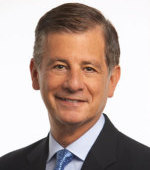
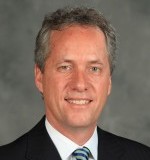 Mayor Greg Fischer (@louisvillemayor) of Louisville, Kentucky joins us to talk about creating a city government culture that is data driven and results focused. He is a former businessman and entrepreneur who was first elected mayor in 2010 and was re-elected in 2014. He was named a “Public Official of the Year” by Governing Magazine in 2013, with the magazine noting, “At the heart of his performance efforts is a focus on data.” Under his leadership, Louisville has launched a PerformanceStat initiative called LouieStat, launched a 311 mobile app, implemented a new open-data policy and launched innovation delivery teams.
In the interview, Mayor Fischer also discusses his work to make Louisville a more compassionate city, including allowing city employees to take two hours of paid time each week to be a mentor.
 What are the key themes of the Obama Administration’s evidence-based policy agenda around grant making and what can state and local leaders learn from those efforts to strengthen the use of evidence in their own jurisdictions?
 The U.S. Department of Education has made important advances in recent years in encouraging evidence-based grant making, including focusing a larger share of discretionary (a.k.a. competitive) grant dollars on approaches backed by rigorous evidence of effectiveness and facilitating more evidence building among grantees. What lessons does the Department provide other public agencies at the federal, state and local levels in terms of strengthening evidence-based grant-making?
 While there’s a lot of buzz about “big data” these days, today’s interview looks beyond the buzz to examine concrete examples of how leading cities are using data and analytics to produce tangible improvements to outcomes and save money. These cities are linking data across agencies while protecting privacy, analyzing patterns and using predictive analytics, using data to target services or enforcement to get better results, and maintaining a strong focus on outcomes and not just activities.
 How do you run effective meetings? Form a productive and trusted relationship with your boss, the Secretary of an agency? Deal productively with the media? Or help lead an agency or division through a time of external political upheaval? You might not see these topics on a syllabus in graduate school, yet they are critical to bring a successful agency leader.
 How can partnerships between the public sector and academic researchers help programs and policies to achieve significantly better results? To explore that question, we’re joined by someone who has successfully built bridges between academia and government through a range of federal, state and local projects.
  In recent years, New Mexico has become a leader in using cost-benefit analysis to inform policy and budget decisions. The state is part of the
  How can the public sector, including school districts, make the most of opportunities to learn what works — in other words, to fill knowledge gaps about effective policies and practices? In this interview, we discuss on an important tool for doing that: opportunistic experiments. These experiments, i.e., randomized controlled trials (RCTs), are “opportunistic” because they focus on policy or program changes that are already being planned (not changes done specifically for a study) and typically use administrative data that are already being collected. As a result, they can be lower disruption and lower cost than traditional experiments. In short, they’re a way for public leaders to do more experimentation and learning.